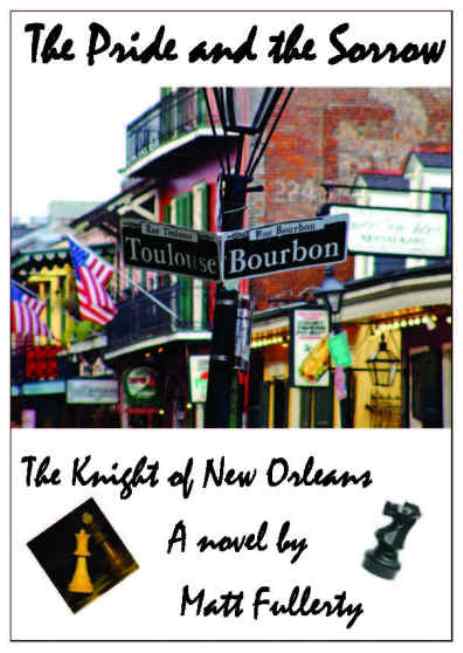
My novel about love, betrayal and chess in New Orleans: The Pride and the Sorrow

Wednesday, March 24, 2010

Literary Journals Associated With MFA Programs

As an MFA student, helping to put out a literary magazine—whether you’re an editor, a reader, or a publicity volunteer—offers a valuable glimpse into the realm of professional publishing and another means of learning about your community of writers. If, as part of your graduate experience, you’re interested in contributing your time or writing to a school-sponsored journal, check out this listing of institutions whose MFA programs produce literary magazines.

University of Alabama, Tuscaloosa
Black Warrior Review

University of Alaska, Fairbanks
Permafrost 


American University, Washington, D.C.
Folio

University of Arizona, Tucson
Sonora Review

Arizona State University, Tempe
Hayden’s Ferry Review

Ashland University, Ohio
River Teeth

University of Baltimore
Passager Journal

Boise State University, Idaho
cold-drill
The Idaho Review

Bowling Green State University, Ohio
Mid-American Review

Brooklyn College, CUNY
The Brooklyn Review

Butler University, Indianapolis
Booth

University of California, Irvine
Faultline

University of California, Riverside,
Palm Desert Graduate Center
The Coachella Review

California College of the Arts, San Francisco
Eleven Eleven

California Institute of the Arts, Valencia
Black Clock
Sprawl

California State University, Fresno
The Normal School

California State University, Long Beach
RipRap

California State University, San Bernardino
Pacific Review

University of Central Florida, Orlando
The Cypress Dome
The Florida Review

Chapman University, Orange, California
Elephant Tree

Chatham University, Pittsburgh
The Fourth River

City College of New York, CUNY
Fiction
Global City Review
Promethean

Colorado State University, Fort Collins
Colorado Review
The Freestone

Columbia College, Chicago
F Magazine
Hair Trigger

Columbia University, New York City
Columbia

Cornell University, Ithaca, New York
EPOCH

Eastern Kentucky University, Richmond
Aurora
Jelly Bucket

Eastern Washington University, Spokane
Willow Springs

Emerson College, Boston
Ploughshares
Redivider

Fairfield University, Connecticut
Dogwood

Fairleigh Dickinson University,
Madison, New Jersey
The Literary Review

University of Florida, Gainesville
Subtropics

Florida Atlantic University, Boca Raton
Coastlines

Florida International University, Miami
Gulf Stream Magazine

Florida State University, Tallahassee
The Kudzu Review
The Southeast Review

George Mason University, Fairfax, Virginia
Phoebe

So to Speak

Georgia College & State University,
Milledgeville
Arts & Letters
Flannery O’Connor Review

Georgia State University, Atlanta
Five Points
New South

Goddard College, Plainfield, Vermont,
and Port Townsend, Washington
Pitkin Review

Hamline University
Water-Stone Review

Hollins University, Roanoke, Virginia
The Hollins Critic

University of Houston, Texas
Gulf Coast

Hunter College, CUNY
The Olivetree Review

University of Idaho, Moscow
Fugue

University of Illinois at Urbana-Champaign
Ninth Letter

Indiana University, Bloomington
Indiana Review

University of Iowa, Iowa City
The Iowa Review

Iowa State University, Ames
Flyway

Johns Hopkins University, Baltimore
and Washington, D.C.
The Hopkins Review

University of Kansas, Lawrence
Cottonwood

Lindenwood University, St. Charles, Missouri
Untamed Ink

Louisiana State University, Baton Rouge
Exquisite Corpse

New Delta Review

The Southern Review

Manhattanville College, Purchase, New York
Inkwell

University of Massachusetts, Amherst
CRATE

jubilat
The Massachusetts Review

University of Massachusetts, Boston
Breakwater Review

University of Memphis
The Pinch

Mills College, Oakland
580 Split

University of Minnesota, Minneapolis
Dislocate

Minnesota State University, Mankato
Blue Earth Review

Minnesota State University, Moorhead
Red Weather

University of Mississippi, Oxford
The Yalobusha Review

University of Missouri, Columbia
Center
The Missouri Review

University of Missouri, Kansas City
New Letters

University of Missouri, Saint Louis
Natural Bridge

University of Montana, Missoula
CutBank

Murray State University, Kentucky
New Madrid

Naropa University, Jack Kerouac School
of Disembodied Poetics, Boulder, Colorado
Bombay Gin
not enough night

University of Nebraska, Lincoln (PhD)
Prairie Schooner

University of Nevada, Las Vegas
Interim

University of New Hampshire, Durham
Barnstorm

University of New Mexico, Albuquerque
Blue Mesa Review

New Mexico State University, Las Cruces
Puerto del Sol

University of New Orleans
Bayou

The New School University, New York City
LIT

New York University, New York City
Washington Square Review

University of North Carolina, Greensboro
The Greensboro Review
storySouth

University of North Carolina, Wilmington
Ecotone

North Carolina State University, Raleigh
Free Verse

Northeast Ohio Universities Consortium (NEOMFA)
Luna Negra
Penguin Review
Rubbertop Review
Whiskey Island Magazine

Northern Michigan University, Marquette
Passages North

University of North Texas, Denton
American Literary Review
North Texas Review

University of Notre Dame, Indiana
The Bend
Notre Dame Review
Re:Visions

Ohio State University, Columbus
The Journal

University of Oregon, Eugene
Northwest Review

Oregon State University, Corvallis
Prism

Otis College of Art and Design, Los Angeles
OR

Pacific Lutheran University’s
Rainier Writing Workshop, Tacoma
A River & Sound Review

Pacific University, Forest Grove, Oregon
Silk Road

University of Pittsburgh
Collision

Hot Metal Bridge
No

Portland State University, Oregon
Oregon Literary Review
Pathos Lit Mag
The Portland Review

Purdue University, West Lafayette, Louisiana
Sycamore Review

Queens College, CUNY
Ozone Park

Roosevelt University, Chicago
Oyez Review

Rosemont College, Bryn Mawr, Pennsylvania
Parlor

Rutgers University, Camden, New Jersey
StoryQuarterly

Saint Mary’s College of California, Moraga
Mary

San Diego State University
Fiction International
Poetry International

University of San Francisco
Switchback

San Francisco State University
Fourteen Hills
Transfer

San Jose State University, California
Reed Magazine

Sarah Lawrence College, Bronxville, New York
Lumina

Seattle Pacific University

Image

University of South Carolina
Yemassee

Southern Connecticut State University,
New Haven
Connecticut Review
Noctua Review

Southern Illinois University, Carbondale
Crab Orchard Review

University of Southern Maine, Portland
Words and Images

Southern New Hampshire University, Manchester
Amoskeag

University of South Florida, Tampa
Saw Palm

Spalding University, Louisville
The Louisville Review

Stony Brook Southampton, SUNY
The Southampton Review

Syracuse University, New York
Salt Hill

University of Texas, El Paso
Rio Grande Review

University of Texas, James A. Michener
Center for Writers, Austin
Bat City Review

University of Texas-Pan American, Edinburg
gallery

Texas State University, San Marcos
Front Porch

University of Utah, Salt Lake City
Quarterly West
Western Humanities Review

Vanderbilt University, Nashville
The Vanderbilt Review

Vermont College of Fine Arts, Montpelier
Hunger Mountain

University of Virginia, Charlottesville
Meridian

Virginia Commonwealth University, Richmond
Blackbird

Virginia Polytechnic Institute
and State University, Blacksburg
The New River

Western Connecticut State University, Danbury
Black & White
Connecticut Review
Sentence

Western Michigan University, Kalamazoo
Third Coast

University of Washington, Seattle
The Seattle Review

West Virginia University, Morgantown
The Loop

Whidbey Writers Workshop, Freeland, Washington
Soundings Review

Wichita State University, Kansas
Mikrokosmos

University of Wisconsin, Madison
The Madison Review

Friday, March 19, 2010

Roman Polanski's "The Ghost Writer"

Pierce Brosnan in Roman Polanski's The Ghost Writer

A Manchurian Candidate for the 2010s ... Pierce Brosnan in Roman Polanski's The Ghost Writer

--

Roman Polanski's deft take on Robert Harris's political thriller is the director's most purely enjoyable film for years.

Roman Polanski's latest movie happens to be about a public figure, once hugely admired, now disgraced, fearing extradition and prosecution and confined to virtual house arrest in a vacation spot for rich people.

  1. The Ghost Writer
  2. Production year: 2010
  3. Countries: France, UK
  4. Directors: Roman Polanski
  5. Cast: Ewan McGregor, Kim Cattrall, Olivia Williams, Pierce Brosnan

Did the director, when he shot this film, get a chill presentiment of how personal it was all going to look? Maybe. But it didn't stop him making a gripping conspiracy thriller and scabrous political satire, a Manchurian Candidate for the 2010s, as addictive and outrageous as the Robert Harris bestseller on which it's based. Polanski keeps the narrative engine ticking over with a downbeat but compelling throb. This is his most purely enjoyable picture for years, a Hitchcockian nightmare with a persistent, stomach-turning sense of disquiet, brought off with confidence and dash.

His leads are Ewan McGregor and Pierce Brosnan, actors from whom Polanski gets the best by keeping them under control. McGregor is the journo, never named: cynical, boozy and miserable in the classical manner. He makes a living ghostwriting the autobiographies of raddled showbiz veterans. In the current publishing scene, his business is booming, but even he is astonished to be offered the job of ghostwriting the memoirs of the former British prime minister Adam Lang, now living with his formidable wife Ruth (Olivia Williams) in his American publisher's palatial beachfront home. A possible war-crime prosecution for assisting the rendition of terror suspects means Lang may never be able to leave American soil. And his last ghostwriter has been found drowned – an awful fate that resonates, sickeningly, with TV images of waterboarding. Could it be that the dead man discovered something dangerous about the ex-PM and his super-powerful, super-rich American friends?

Resemblances to Tony and Cherie Blair are very far from coincidental: both Harris and Polanski have clearly calculated that a libel lawsuit would make for an uproarious day in court, precisely the sort of legal appearance that Mr Blair does not care to make, in fact or fiction. This consideration adds a kind of meta-pleasure to the narrative.


Brosnan's Lang is an alpha-ego, substantially accustomed to American mega-celebrity status, smugly nurturing his Blairish sense of entitlement and resentment, yet with a weird blankness and smileyness that resurfaces continually: a Brit tendency to ingratiation that he can never quite conquer. As with Harris's novel, part of the enjoyment is gleefully imagining Tony and Cherie, in the parts of Adam and Ruth, pacing around like characters in some reality TV show from hell. Polanski has a terrific scene in which McGregor drives the dead man's car and the sat-nav "remembers" his previous journey and guides him, ghost-like, to a vital clue. The film incidentally gives us the ghost of the late Robin Cook, fictionalised as ex-foreign secretary "Richard Rycart".

The Ghost Writer may not be a masterpiece, but in its lowering gloom (it rains almost continually) the film has some of the malign atmosphere of Polanski's glory days. And there's a wonderful final image of the windblown London street – faintly hyperreal in the manner of Hitchcock's Frenzy – where something horrible has happened behind the camera. This very involving movie shows Polanski is far from finished as a film-maker.

--

Peter Bradshaw, The Guardian, 12 February 2010


Sunday, March 14, 2010

Amazon Breakthrough Novel Award - made it to Second Round!

I'm pleased to discover my novel The Pride and the Sorrow (The Knight of New Orleans) has made it through to the Second Round of the Amazon Breakthrough Novel Award, 2010.

This surprised me greatly given the number of entrants (5000 in the General Fiction category).

For more details, the Award eventually results in 6 round-trip all expenses flights to Seattle, and a Grand Prize - you guessed it - a book deal.

The book deal is with Penguin, is worth $15,000 as an advance (against future royalties), and naturally would receive the Amazon promotional treatment - basically, like winning three prizes in one!

May B & N get in the same game!

To click out my entry - my novel set in New Orleans - please click here.


Friday, March 12, 2010

European cinemas join threat to boycott Alice in Wonderland

Alice in Wonderland

Contemplating a dark hole ... Mia Wasikowska in Alice in Wonderland. Photograph: Allstar/DISNEY/Sportsphoto Ltd./Allstar

Disney's plans for an earlier-than-usual DVD release prompt film exhibitors to consider pulling all Disney films.

Opposition to Disney's plans for an earlier-than-usual DVD release of Alice in Wonderland - after it has appeared in cinemas - has spread to mainland Europe, according to Variety.

  1. Alice in Wonderland
  2. Production year: 2010
  3. Country: USA
  4. Cert (UK): PG
  5. Runtime: 108 mins
  6. Directors: Tim Burton
  7. Cast: Alan Rickman, Anne Hathaway, Barbara Windsor, Christopher Lee, Crispin Glover, Helena Bonham Carter, Johnny Depp, Matt Lucas, Mia Wasikowska, Michael Sheen, Stephen Fry, Timothy Spall
  8. More on this film

As reported on this site last week, UK distributors are considering a boycott of Tim Burton's new 3D CGI fantasy over Disney's proposal to release the DVD within 90 days of its cinema release. Usually, there is at least a four-month window between a film's arrival in cinemas and its debut on home video.

Now Holland's four largest exhibitors are reportedly threatening not to show Alice In Wonderland unless Disney backs down. Together Minerva, Pathé, Wolff and Jogchems represent between 80% and 85% of all cinemas in the Netherlands.

Youry Bredewold, who represents both Pathé and Holland's National Board of Cinema Owners, said the distributor's decision was not one which had been taken lightly.

"We will lose money due to our decision," he told AFP. "We expected [Alice] to become one of the most popular movies of 2010. But we decided we need to send a message to the whole industry: If you don't accept our terms, we will never show your movies again."

Meanwhile, Variety says that UK distributors have been mollified by a visit from Disney top brass last week, though an LA Times report today suggests that Vue and Odeon, two of the UK's three major cinema chains, remain undecided over whether to show the film. Disney has reached a deal with a third major chain, Cineworld, according to the newspaper. Industry insiders are said to be split over whether European anger will spread to the US or blow over before Alice in Wonderland's release on 5 March. No American chain has yet threatened to boycott the film, although some have said they will pull it from screens once it hits the home video market. Some Italian firms are also said to be considering their options.

The UK release is particularly vital for Disney because the movie has such strong British roots, and would have been expected to make £40m here. Burton, who lives in London, shot Alice In Wonderland largely in Devon and Cornwall. Apart from Johnny Depp as the Mad Hatter and Australian newcomer Mia Wasikowska as Alice, the film features a largely British supporting cast, including Helena Bonham Carter, Matt Lucas, Stephen Fry, Michael Sheen, Alan Rickman, Christopher Lee and Barbara Windsor.


Disney nevertheless feels that narrowing the release window is vital in the battle against home video piracy. It argues that most people see movies within two months of their theatrical release, but there is then another two-month gap before they can buy the film on DVD, which is exploited by pirates. However, distributors are concerned that they will lose business if the release window is allowed to narrow further, and are also said to be angry because they have recently spent millions of pounds upgrading thousands of screens to show 3D movies.

Bob Chapek, president of distribution for Walt Disney Studios, said on Friday that the company remained "committed to theatrical windows, with the need for exceptions to accommodate a shortened period on a case-by-case basis, such as with Disney's Alice in Wonderland.

"We feel that it's important for us to maintain a healthy business on the exhibition side and a healthy business on the home video side," he added. "We think this is in the best interest of theatre owners, because a healthy movie business is good for them and allows us to invest in high quality, innovative content."

--

Ben Child, The Guardian, 17 February 2010


Thursday, March 11, 2010

Prime Suspect: The Ghost Writer

Pierce Brosnan and Ewan McGregor in Roman Polanski’s new thriller.

Why did Tony Blair, in his ten years as Prime Minister, do exactly what the White House wanted on so many occasions? That’s the juicy question buried in the depths of Roman Polanski’s “The Ghost Writer,” an extraordinarily precise and well-made political thriller—the best thing Polanski has done since the seventies, when he brought out the incomparable “Chinatown” and the very fine “Tess.” A few blogging goons have kneecapped the movie for not providing enough thrills, but that’s the wrong critical direction to go in. The director of “Repulsion,” “Rosemary’s Baby,” and “Macbeth” long ago put away his knives. “The Ghost Writer” offers not the blood and terror of Polanski’s early work but the steady pleasures of high intelligence and unmatchable craftsmanship—bristling, hyper-articulate dialogue (the stabs are verbal, and they hurt) and a stunning over-all design that has been color-coördinated to the point of aesthetic mania. Working with the British writer Robert Harris, whose 2007 novel, “The Ghost,” serves as the basis of the movie, Polanski fed the political material—troubling stuff about rendition and C.I.A. collaboration—into the mazy convolutions of a neo-Hitchcock story. He presents the entire movie from the restricted point of view of a likable young man, a hard-drinking, cash-poor writer (Ewan McGregor), who has been hired to finish the memoirs of Adam Lang (Pierce Brosnan), a former Prime Minister clearly modelled on Blair. The writer, who is known in the credits as “the Ghost” (he is never named—the P.M. calls him “man”), is not the first to work at this job. The previous ghostwriter has been found dead on a beach in Martha’s Vineyard, near the house of Lang’s publisher, where the P.M. and his entourage have gathered to work on the book. The Ghost is in trouble from the beginning, and he knows it, but he needs money and self-respect, and he forges on.

The picture is set mostly in the United States, but Polanski, of course, can’t work here, so he used the drab German North Sea coast as a double for the Vineyard in winter. The publisher’s mansion has the island’s requisite gray shingles, yet it’s not some gracious Victorian affair. Instead, it’s a giant modernist shoebox, with generous interior spaces and floor-to-ceiling windows that look out on dunes and a dark ocean. The interiors are all chic designer cement walls and flat or sharply angled surfaces; there’s not a curve anywhere, and hardly a cushion. This punitive luxury was created, as a set (by Albrecht Konrad), at Babelsberg studio, in Berlin, and the views through the windows are either projections or digital reconstructions. Looking through those portals, you appear to be seeing a movie of some sort, a tone poem in gray that refuses to reveal its mysteries. The skies are ashen, the rain never stops, and the writer, when he goes out on a bicycle for some air, gets blinded by the wet. For us, this mock-American landscape is a fascinating bad dream, half familiar, half strange. The cinematographer, Pawel Edelman, turns the constant downpour and gloom into a beautiful, slate-colored curtain—or perhaps I should say shroud. Polanski wants an atmosphere of daunting indefiniteness, a subdued but enveloping field of lies and secrecy, impenetrable to the Ghost, who is lost among power players far too clever for him. I don’t know when I’ve seen menace rendered with such delicate but persistent force.

The P.M.’s manuscript is also gray—maddeningly bland and opaque, a veil of debonair evasion. As the Ghost tries to bring it to life, allegations appear in the press that Lang, when he was P.M., illegally turned over captured terror suspects to the C.I.A. for rendition and torture; a former minister from Lang’s cabinet even insists that his old boss should be tried by the International Criminal Court, in The Hague. Suddenly, the house is besieged by antiwar protesters. Playing a powerful man in exile, repudiated and hated by his own party and by many of his countrymen, Pierce Brosnan gives the strongest performance of his rather lazy career. He doesn’t imitate Blair; he offers his own interpretation of a public man’s impersonally brisk and hardened charm—the smile is reflexive, dazzling, and savage. Lang tells stories about his youth with hearty indifference to their phoniness—even in retreat, he’s a calculating pol, playing the angles, manipulating his eager amanuensis. And, when Lang is criticized or challenged in any way, Brosnan’s charm dissolves into fury; he catches the defensive self-righteousness of power, a leader’s disbelief that anyone might be seeing through him. Brosnan is matched by the wonderful English actress Olivia Williams, as Ruth, Lang’s brilliant wife and longtime political adviser. Ruth has lost her husband’s love—and, more important, his ear—and is taking it hard. Slender and tense, with short dark hair, Williams pulls her legs up under her chin as she sits in the discomforting house. (Her Ruth is so angular and hard-edged that she actually seems to belong in this place, where it’s impossible to hide.) Williams’s gaze could sear the fat off a lamb shank, and her line delivery is withering, yet Ruth is badly wounded, and Williams makes her sympathetic—she’s one of the rare actresses who seem more intelligent and beautiful as they get angrier. Polanski observes the character quirks, the long-standing relations strained by the worsening disgrace of Lang’s situation—there’s something, we see, in the frayed connection of husband and wife that could be more significant than hurt feelings. Tom Wilkinson and Eli Wallach (as a very old, entirely sane hermit living on the beach) make strong appearances, too. The only flaw in the ensemble is Kim Cattrall, who, as Lang’s assistant and mistress, can’t stop smirking (Cattrall lets us know that something dirty is going on). The movie is organically structured—nothing is overstressed, but nothing is wasted, either. The banal manuscript, for instance, assumes an almost totemic power as it’s read, handled, edited, rewritten. It contains secrets finally discovered, decoded.


Life for the Ghost takes a dangerous turn when he finds evidence that Lang is lying about many things, and becomes even more dangerous when Ruth climbs into bed with him. Ewan McGregor’s career got off track in “Star Wars” foolishness, but this movie may put him back in good roles, where he belongs. He’s such a charming actor—avid, bright-eyed, yet slightly acid and self-deprecating, too. His writer, initially no more than a sleepless, overworked hack, grows tired of being a ghost; he wants to be palpable, a man, and he asks questions of powerful people that could get him killed. Polanski takes care that the Ghost’s story is never rushed, mauled, or artificially heightened—the usual style of thrillers now (see “Shutter Island” and every week’s buddy-buddy cop movie for the latest examples). Polanski respects physical plausibility and the passage of time; he wants our belief in his improbable tale, just as Hitchcock did. There may be nothing formally inventive in this kind of classical technique, but, in the hands of a master, it’s smooth and satisfying, and I suggest, dear reader, that you gaze upon it, because it’s all but gone in today’s moviemaking world. Here it works its old magic. You understand, at every instant, what the Ghost feels and knows, and you fear for him. There’s not much violence in the movie, but your scalp tightens anyway.

“The Ghost Writer” plays off the British public’s disillusion with Tony Blair and the recurring complaints about Blair’s alleged collaboration with the C.I.A. Yet, when Lang is cornered by the Ghost, the P.M. speaks with impressive conviction. In effect, he defends the use of torture; he takes the Cheneyesque hard line, ridiculing liberals who want safety and, at the same time, the luxury of high-mindedness. The answer to the question of why he’s so acquiescent to the Americans is worked out in thriller (rather than policy) terms. It’s the kind of supposition that may strike viewers, here and in Britain, as frivolous, or just plain wrong, but it’s a fine piece of mischief—suggestive, wounding to Blair, and, as a fiction, emotionally gratifying in the way of le Carré’s conspiracy plots.

Brosnan’s performance is so forceful in the climactic scene with the Ghost that I don’t think you could easily say where Polanski’s own feelings about rendition lie. But I would guess that he’s split in his personal sympathies—he’s both the man accused of crimes and the Ghost longing to assert his full humanity. Polanski edited the movie while in jail and then under house arrest in Switzerland; the movie’s narrative of an exiled man trapped in a house overtook his own disordered life. He concludes “The Ghost Writer” with a twin flourish: first, a virtuoso travelling shot of an explosive note slowly but inexorably passed through many hands at a social occasion until it reaches its destination, and then a final shot of Lang’s manuscript, the fluttering pages now forlornly scattered about a London street. As in the famous last sequence of “Chinatown,” Polanski is close to despair, but his rejuvenation as a film director is a sign of hope.

--

David Denby, The New Yorker, 8 March 2010

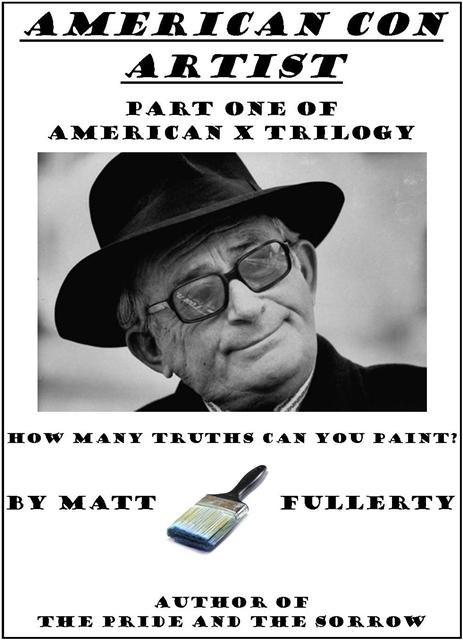
My novel about painting, criminality, and the greatest art forger of the twentieth century!

My novel about painting, criminality, and the greatest art forger of the twentieth century!
Please click the cover!

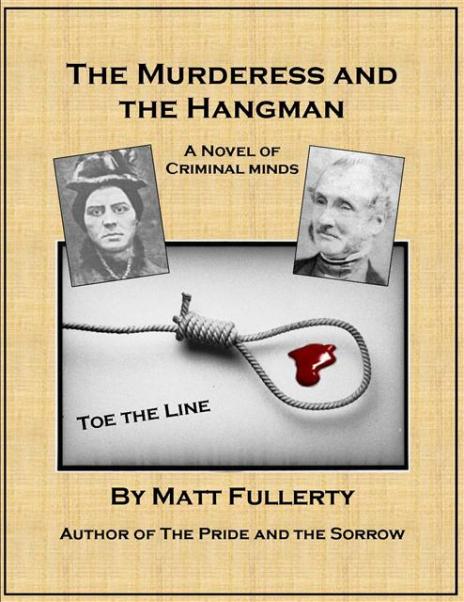
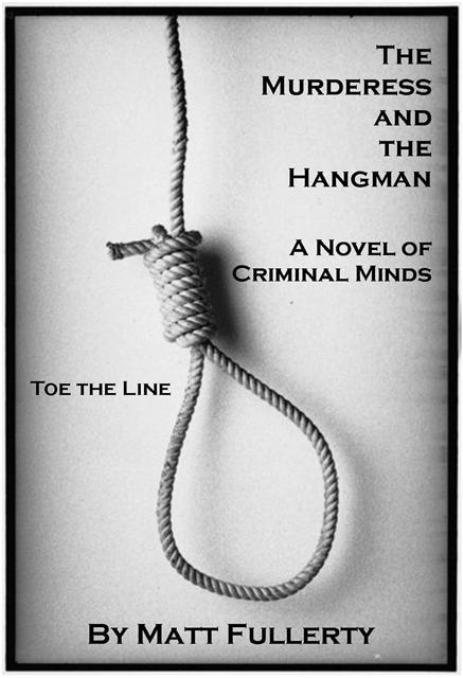
My novel about London, murder, mayhem, and a female killer!

My novel about London, murder, mayhem, and a female killer!
Please click the cover!

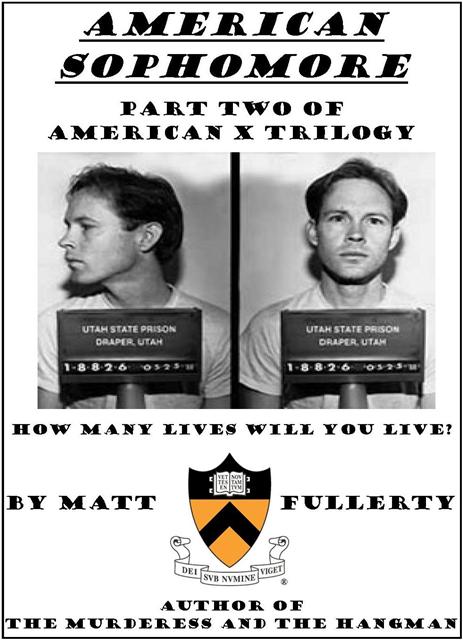
My novel about running, Princeton University, and a conman who lost it all!

My novel about running, Princeton University, and a conman who lost it all!
Please click the cover!

My novel about love, betrayal and chess in New Orleans

My novel about love, betrayal and chess in New Orleans
Please click the book!

My semi-autobiographical novel about a very British education and becoming an American!

My semi-autobiographical novel about a very British education and becoming an American!
Please click the cover!

My novel about London, murder, mayhem, and a female killer!

My novel about London, murder, mayhem, and a female killer!
Please click the cover!